5 Essential Tools to Streamline the RFP Response Process in AEC
Learn the 5 tool categories AEC teams use to cut RFP cycle time—RFP management, shredding, Go/No-Go scoring, risk & contradiction checks, and AI drafting with a bid knowledge base.

5 Essential Tools That Can Help Streamline the RFP Response Process in AEC
Intro: The High-Stakes Grind of AEC RFPs (Hook & Promise)
Architecture, Engineering, and Construction (AEC) firms know the pain: RFP responses have become a high-stakes grind. Modern construction RFPs are bigger, faster, and more compliance-heavy than ever - with more stakeholders, more forms, and tighter deadlines. Proposal teams often face late nights just to keep up, and small mistakes can mean instant disqualification. What tools can help streamline the RFP response process in AEC? The core promise is that the right tool stack cuts response time, reduces rework, improves compliance, and boosts win rates. In fact, AEC firms using ContraVault AI see 90% faster bid preparation and higher win rates than their peers.
This blog covers five essential tool categories that AEC teams rely on to tame RFP chaos plus what to look for in each and tips to choose the right mix.
Why AEC RFPs Are Getting Harder (and Slower)
Responding to an RFP in AEC isn’t what it used to be. Proposal complexity keeps increasing for several reasons:
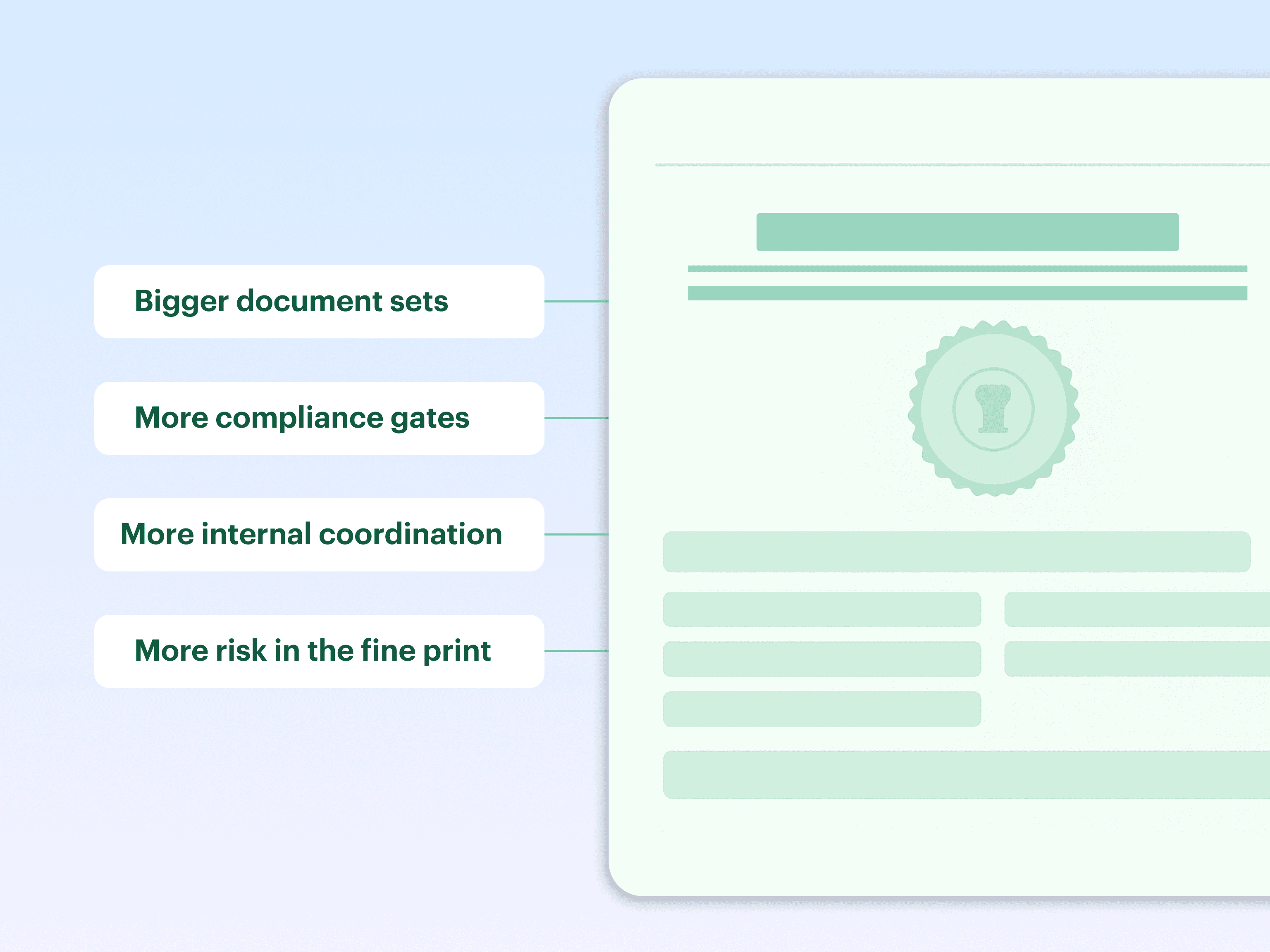
- Bigger document sets: Construction RFP packages can run hundreds of pages , including specs, drawings, contracts, and addenda. Sifting through these massive documents is time-consuming.
- More compliance gates: From diversity and safety certifications to insurance proofs, RFPs now demand strict compliance. Missing even one required form can disqualify a proposal.
- More internal coordination: AEC proposals involve multiple departments (estimating, legal, ops, etc.), which means more chances for communication breakdowns and version chaos if not managed properly.
- More risk in the fine print: RFPs often include risk-shifting clauses (e.g. heavy liquidated damages, one-sided indemnities) that bidders must catch and account for.
As a result, proposals often take longer and teams feel “overwhelmed and overloaded” by the workload.
The 3 Biggest Bottlenecks Killing Cycle Time:
- Content hunting: Key info is scattered in old files and emails. Teams waste hours searching for needed information.
- Version chaos: Without a single source of truth, multiple draft versions cause confusion. (One firm lost a bid by submitting the wrong version of a file.)
- Compliance misses: Under pressure, teams often overlook a required detail. Even a minor non-compliance can lead to disqualification.
From Manual Grind to Response Automation
So, what does “streamlining” actually mean in AEC proposals? In short, it means moving from a manual grind to using technology to work smarter, not harder. Key improvements include:
- Faster intake for quicker Go/No-Go decisions (stop wasting time on unwinnable bids)
- Automated extraction of RFP specs and requirements (fewer human errors and missed items)
- Reusable content libraries for consistent answers (no more writing the same answers from scratch)
- AI compliance checks to flag missing docs or contradictions early (no last-minute surprises)
- Real-time collaboration & tracking (everyone works on the latest version, avoiding fire drills)
These five tool categories deliver those benefits across the workflow—from the moment an opportunity is identified to the moment your proposal is submitted.
1) RFP Management Software
What It Solves in AEC
RFP management software is the command center for your proposal process. It centralizes all RFP documents, deadlines, assignments, and communications in one place. For AEC teams juggling complex proposals, this means no more hunting through email threads or shared drives for the latest info. By having a single platform, everyone stays on the same page. Real-time collaboration in a proposal platform “eliminates the back-and-forth emails and version control issues that often slow down the process.” In short, it brings order and accountability to a chaotic process.
Key Features to Look For
- Version control & audit trail: A single source of truth for documents, with change tracking and history.
- Collaboration & permissions: Multiple team members can work together with role-based access (assign sections, set approvers).
- Templates & checklists: Use standardized templates and compliance checklists to ensure nothing is missed.
- Integrations: Connect with tools like SharePoint, Teams, or Google Drive so you can pull in or save files seamlessly.
- Reporting: Dashboards for proposal status, upcoming deadlines, and workload can help management monitor progress and improve the process.
2) RFP Shredder
What It Does
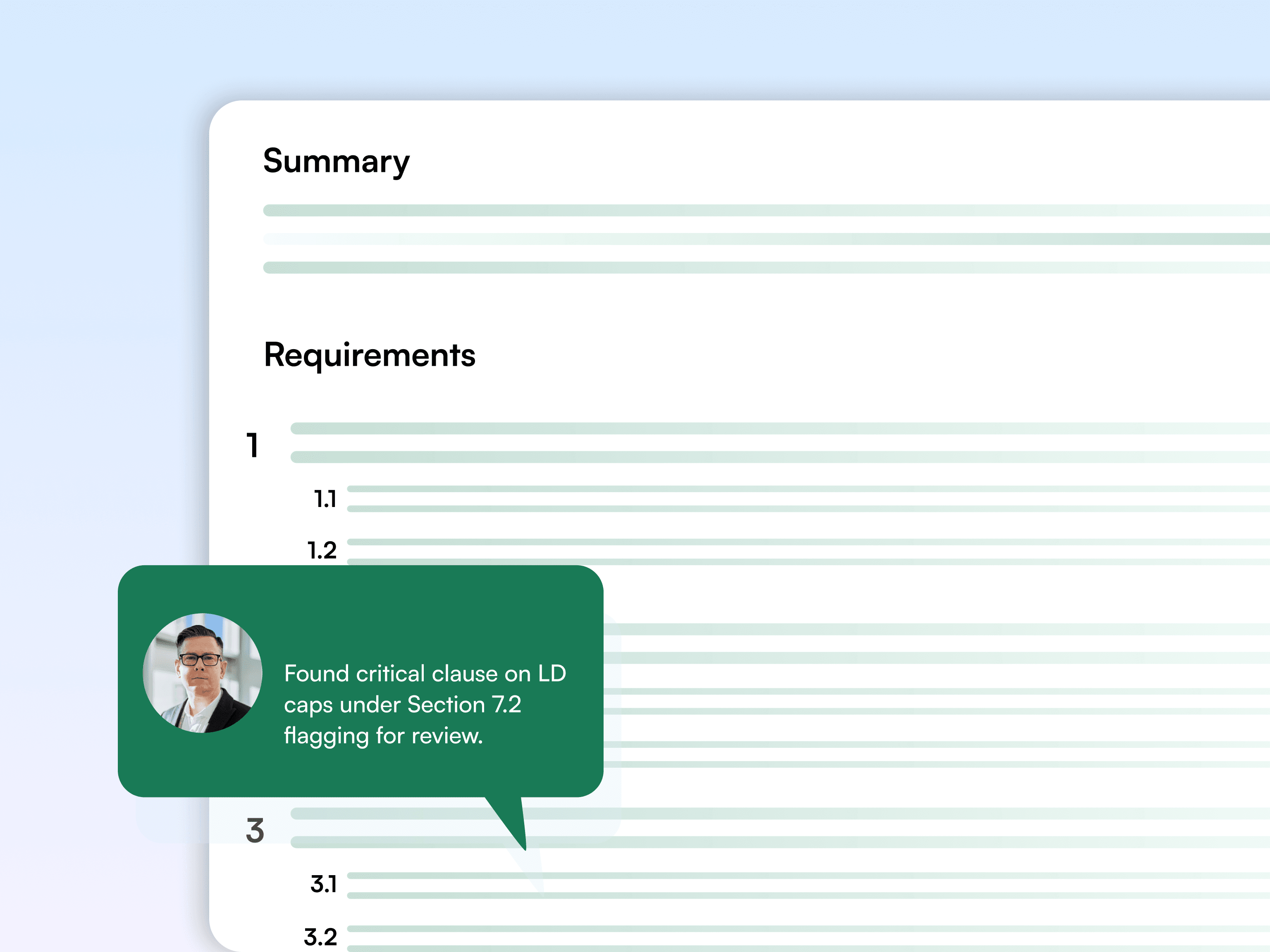
An “RFP shredder” automatically breaks down a large RFP into a structured list of requirements and sections. Drop in a huge PDF, and it will spit out an outline of all the key sections, questions, and forms you need to respond to. Essentially, it turns a 300-page RFP into a manageable checklist. Good shredders maintain the original numbering and wording of requirements , so you can easily cross-reference the RFP.
Why AEC Teams Need It
Because AEC RFPs are so extensive, this tool saves days of manual effort. It pinpoints every requirement (“Where does it ask for our safety plan?”) in seconds. By generating an outline and even a compliance matrix automatically , a shredder ensures you don’t overlook anything. It also gives subject matter experts (SMEs) a clear roadmap of what they need to contribute, instead of making them read the entire RFP. The result: far less “Did we miss something?” anxiety and a faster start on writing the response.
What to Look For
- Accurate sectioning & extraction: The tool should reliably identify all sections and individual requirements, even in complicated RFP formats.
- Addendum handling: It should be easy to update the requirements list when addenda or amendments come in.
- Export options: Look for exporting to Excel or Word, so you can integrate the outline or compliance matrix into your response documents or project tracker.
3) Go/No-Go Analyzer
Why It Matters
The fastest proposal to write is the one you don’t write. A Go/No-Go analyzer helps your team decide which RFPs to pursue by evaluating fit and risk upfront. A systematic bid/no-bid process prevents you from wasting resources on long-shot pursuits. Construction teams can waste “60 - 70% of their pursuit resources on unwinnable RFPs” when they chase everything. This tool introduces discipline so you focus on bids you have a real chance of winning - improving overall win rates.
What a Good Analyzer Includes
- Fit scoring: Rate the opportunity against criteria like project type, size, location, client, and your team’s capacity. The tool should output a score or recommendation (e.g. green/yellow/red) based on how well the RFP fits your ideal profile.
- Compliance gate check: Automatically flag any must-have requirements you don’t meet (licenses, certifications, etc.) which might make the bid a non-starter.
- Decision log: Record the rationale for Go or No-Go decisions. This builds a knowledge base over time and keeps leadership aligned on why you’re pursuing or skipping each opportunity.
4) Risk and Contradiction Flagger
What It Catches
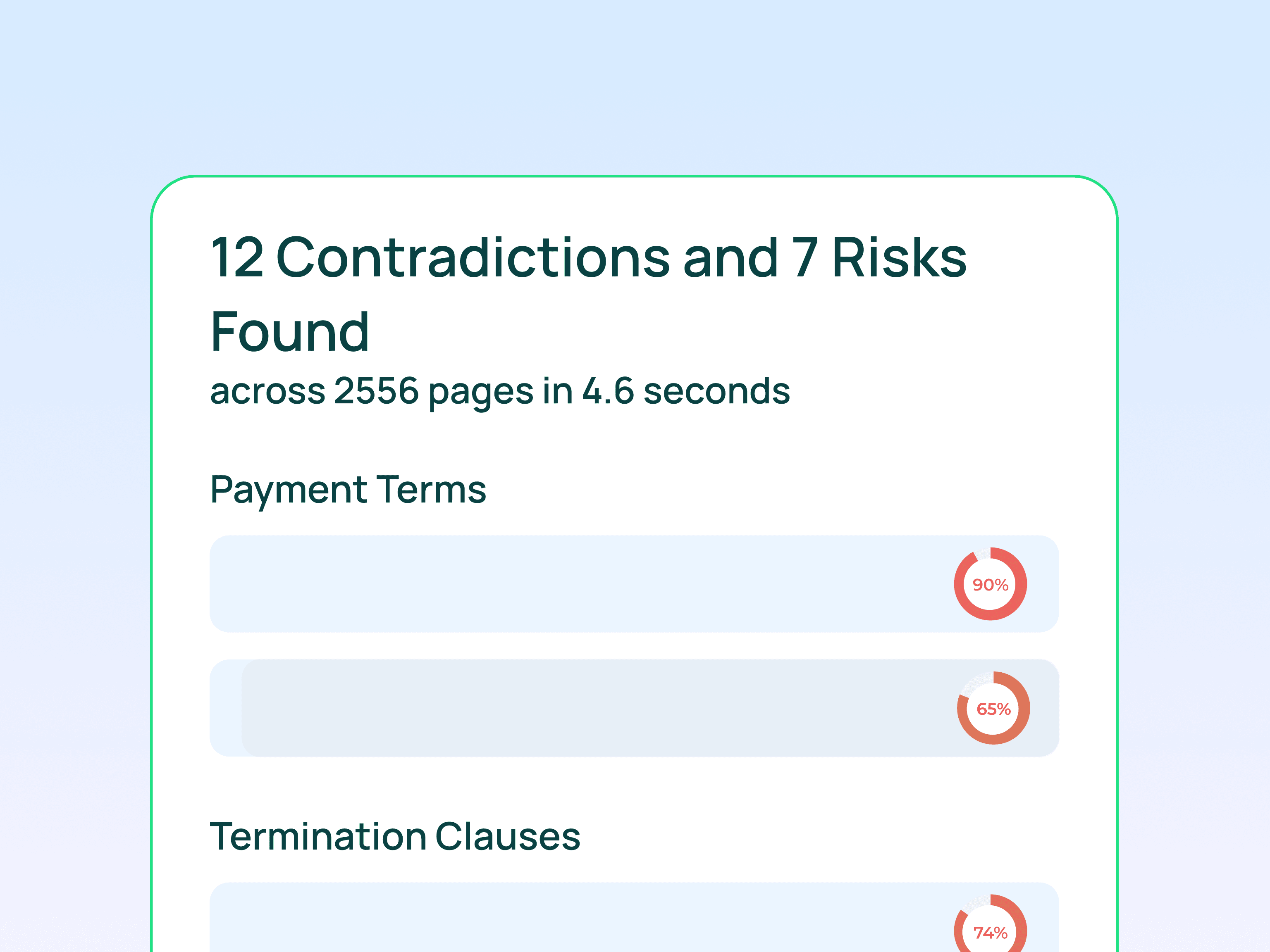
This tool scans RFP documents to flag anything that could bite you later. That includes:
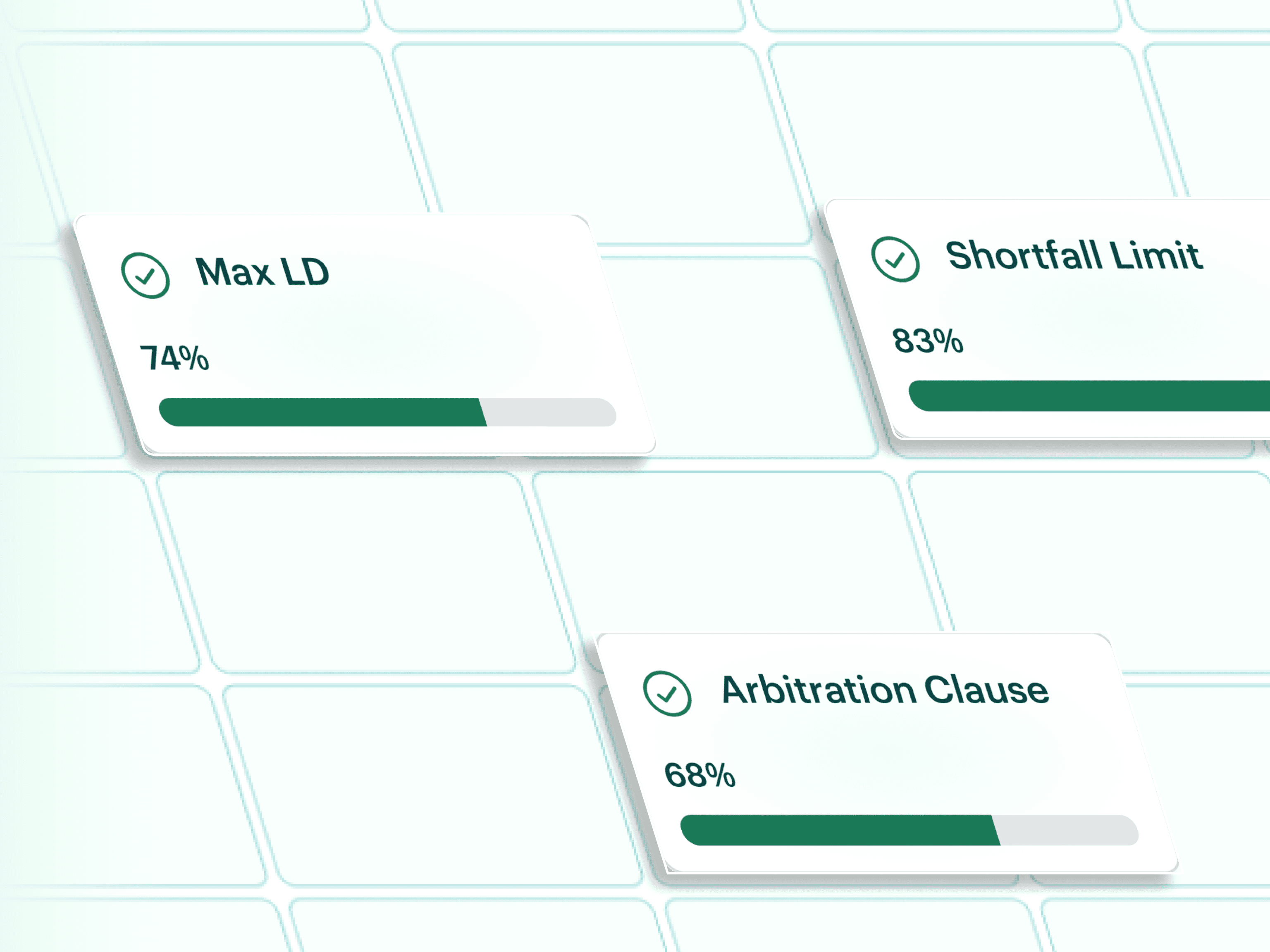
- Risky clauses: e.g. strict liquidated damages, one-sided indemnity or warranty terms, or unusual payment conditions. The system highlights these so you can plan for or negotiate them.
- Inconsistencies: Any contradictory requirements or ambiguities across the RFP, specs, or addenda. If one section says 120 days and another says 90 days, you’ll know.
- Missing pieces: It will alert you if a required form or attachment isn’t accounted for, so you don’t get disqualified for an oversight.
What to Look For
- Cross-document analysis: The tool should compare all the files in the RFP package to catch contradictions and ensure nothing is missing.
- Clear risk alerts: It should provide a summary of each flagged issue (with context or severity) and where it is in the documents.
- RFI support: Bonus if it can help draft clarification questions for any confusing or conflicting requirements, making it easier to get answers from the client.
5) RFP Proposal Drafter + Bid Knowledge Base
What It Does
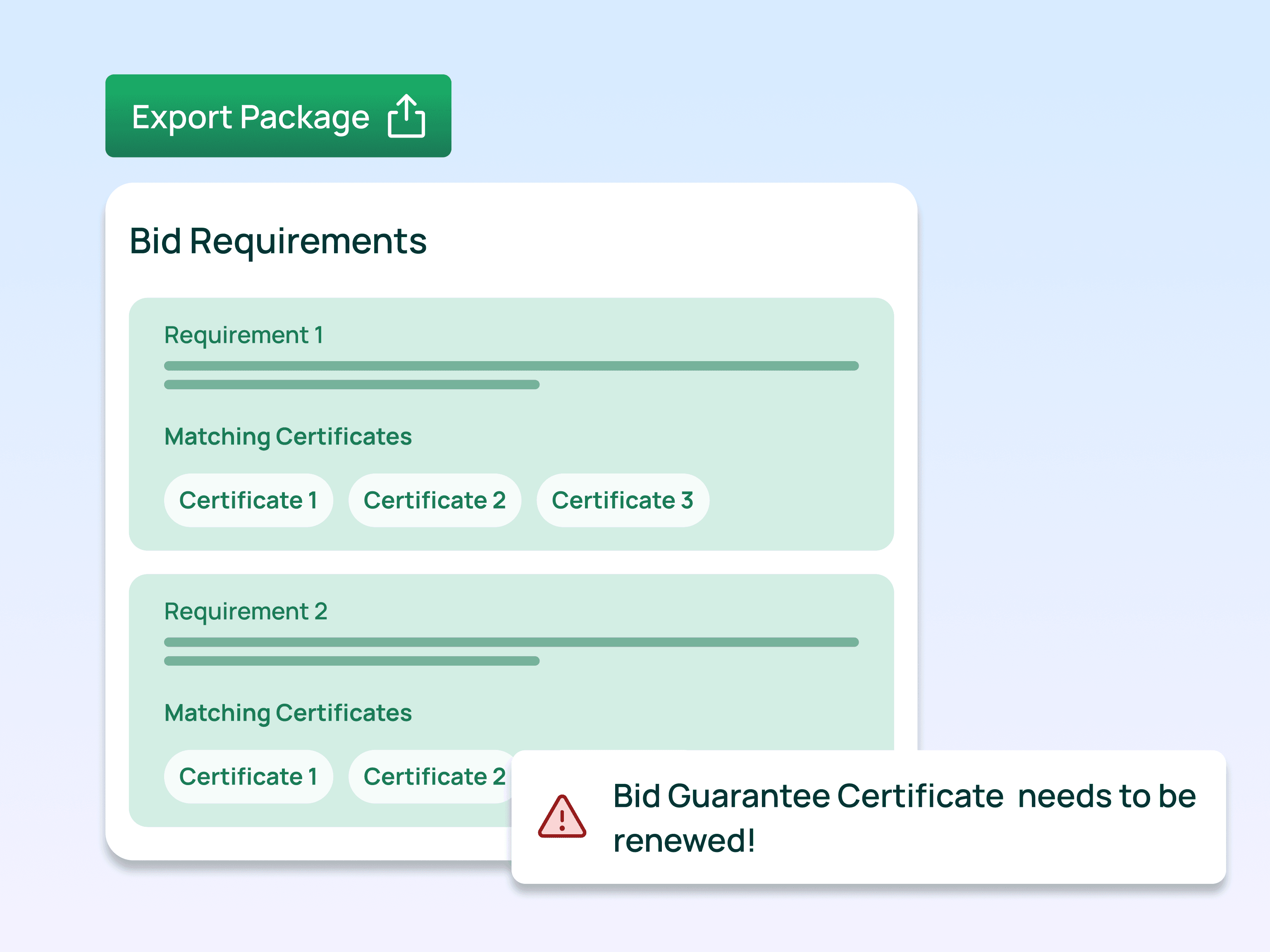
This is the “intelligent drafting” part of your toolkit. A bid content knowledge base is a library of pre-approved answers, past proposal content, templates, and boilerplates. The proposal drafter (often AI-powered) uses this library to assemble a first draft of your proposal. It maps the RFP requirements to your best-fit answers from the library, so you aren’t starting from a blank page. For example, if the RFP asks for your safety program, the tool pulls the ready-made safety section from your knowledge base. Proposal teams can then tweak and customize the draft rather than writing everything from scratch.
Why It Streamlines AEC Responses
Reusing good content means you stop rewriting the same answers for every proposal. All those standard sections (company background, project experience, bios, safety plans, QA/QC, etc.) can be dropped in quickly and consistently. This not only saves time but also ensures accuracy - the content is vetted and up-to-date. One study found that a centralized proposal content library significantly speeds up responses and keeps messaging consistent. It also lightens the load on subject matter experts, who no longer have to provide the same info repeatedly; they can focus on project-specific nuances while the library handles the basics. In short, your team can answer more RFPs in less time, without sacrificing quality or compliance.
What to Look For
- Robust content library: Ability to organize content by topic, tag it (e.g. “safety,” “hospital project example”), and keep it refreshed (with owners and review dates for each entry).
- Auto-answer suggestions: The drafting tool should seamlessly insert relevant library content into the RFP’s outline or Q&A format, with minimal manual searching.
- Traceability: It’s helpful if the software tracks which content was used in which proposal and allows easy updating - so improvements get propagated and you know which answers are most effective.
How to Choose the Right Tool Stack (AEC Checklist)
Every firm’s needs are different, but here’s a quick guide:
- Always scrambling and missing deadlines? Start with RFP Management software and an RFP Shredder to get organized and make sure you capture all requirements early.
- Wasting time on long-shot bids? Invest in a Go/No-Go analyzer to focus your efforts where you can win, instead of burning out on unwinnable pursuits.
- Worried about nasty surprises in contracts? A Risk & Contradiction flagger will catch hidden risks so you can bid with eyes wide open (or decide not to bid).
- Rewriting content every time? A proposal drafter + knowledge base should be your priority - it will save tons of time and keep answers consistent.
Often, the full stack working together gives the best results, but you can phase tools in based on your biggest pain points.
Streamlining with the Right Tools (Conclusion)
AEC proposals aren’t getting any simpler, but your process can get smarter. By equipping your team with the right tools, you can transform the RFP response process from a frantic scramble to a structured, efficient workflow. Think of it as moving from manual to automatic: manage the process centrally, shred the docs to extract what’s needed, use data to decide Go/No-Go, flag risks early, and draft winning responses using your knowledge base. Firms that embrace this approach see faster turnarounds, higher-quality proposals, and less stressed teams. Streamlining with modern tools isn’t just about saving time — it’s about positioning your team to win more, with greater confidence.
Future Trends in AEC RFP Processes
Looking ahead, expect even more automation and intelligence in proposal workflows. Requirement extraction and analysis will get faster with AI, compliance checking will be increasingly automated (so missing a document becomes rarer), and content reuse systems will grow smarter (even predicting which answers win). More tasks that once ate up hours will be handled by software. As one expert put it, “the future of AEC proposal writing lies in automation, data intelligence, and AI-driven decision-making.” Teams that stay ahead of these trends will gain a competitive edge.
FAQs
Sign Up for more like this
By submitting this form, you agree to our Privacy Policy and consent to receiving updates from ContraVault.
Comments0