Strategies for Winning Construction Job Bids: A Practical Guide for Contractors
Learn how to win more construction bids with a step-by-step guide to the bidding process—finding opportunities, choosing the right projects, estimating accurately, submitting compliant bid packages, and avoiding costly mistakes.

Winning construction bids is both an art and a science. If you’re a contractor, you know how crucial each successful bid can be for your business. The competition can be fierce, and simply bidding the lowest price doesn’t guarantee a win. So how do some contractors consistently come out on top?
Executive Summary
In this comprehensive guide, we’ll walk through the entire bidding process from understanding the basics to insider tips on pricing and relationships in a friendly, conversational way. By the end, you should have a clearer roadmap to prepare winning bids that grow your construction business.
Understanding Construction Bidding
Construction bidding is the process by which project owners invite contractors to propose their terms (usually cost and schedule) to complete a project. In a typical competitive bid, multiple contractors submit proposals (or bids) for the same job, based on the project’s plans and specifications. These bids detail estimated costs, timelines, and scope of work for the project. The project owner then evaluates the bids often looking for the lowest responsible and qualified bidder and awards the contract to the winner.
In simpler terms, your bid is essentially telling the client “I can deliver this project for X dollars and meet all the requirements.” It’s not only about price; owners also consider your qualifications, experience, and whether you can meet their standards. A well-crafted bid demonstrates that you understand the project and can complete it at a competitive cost while upholding quality. Throughout this guide, we’ll explore how to make sure your bid checks all those boxes.
Overview of the Bidding Process
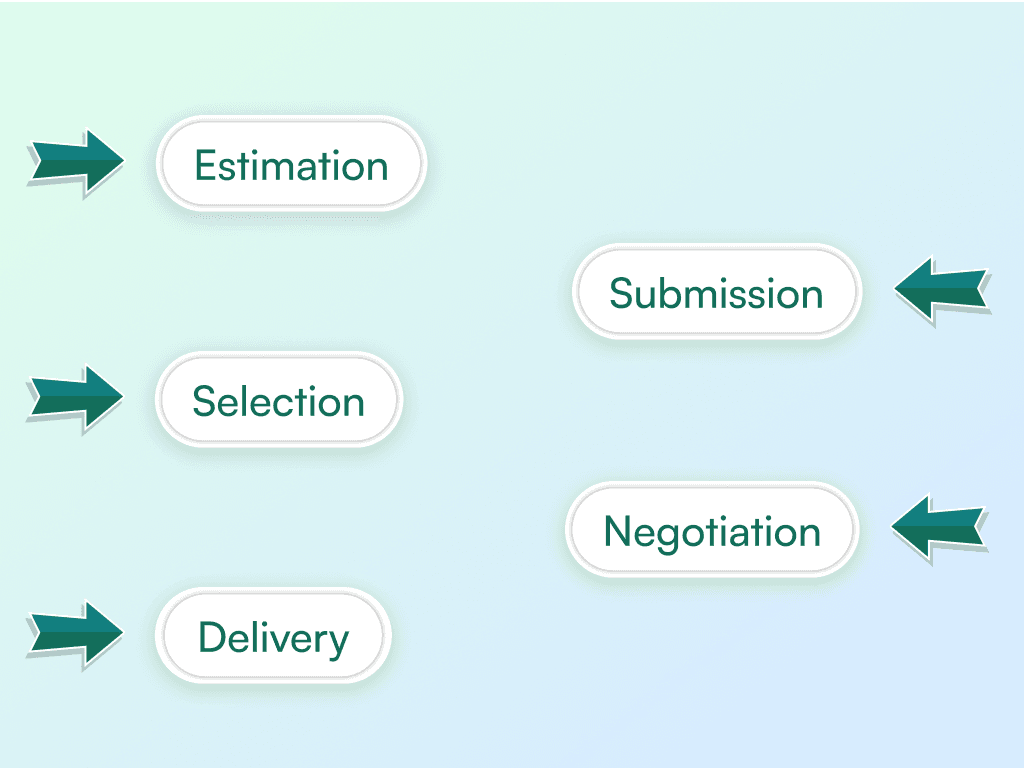
The construction bidding process generally follows a series of stages from start to finish. Let’s break down the typical steps involved in bidding on a project:
- Project Solicitation: First, a project owner announces the project and asks for bids. This may happen through a formal Invitation to Bid (ITB), a Request for Proposal (RFP) or a Request for Quote (RFQ) for more specific pricing. In public projects, solicitations are often posted on official sites or newspapers, whereas private owners might invite select contractors.
- Estimation & Costing: Next, interested contractors review the project documents (plans, specifications, requirements) and perform a detailed takeoff and cost estimate. This involves calculating material quantities, labor hours, equipment needs, and all costs required to complete the work. Often a site visit is done at this stage (especially for complex jobs) to assess conditions and gather information for an accurate estimate.
- Bid Submission: After crafting the proposal, the contractor submits the bid by the given deadline. The bid package typically includes your cost proposal, schedule, scope outline, and any required documentation (like licenses, insurance, bid bonds, etc.). It should be presented in a clear, professional format a tidy, well-organized bid makes a good impression of your professionalism.
- Selection & Contract Award: The project owner reviews all bids and selects a winner (bid selection). Depending on the project, the choice might be purely cost-driven (common in public works: lowest responsible bid wins) or a best-value decision considering qualifications and schedule. For residential and private projects, owners often weigh experience and reputation in their decision, not just price. Once a bid is chosen, the owner awards the contract to that contractor.
- Negotiation & Contracting: In some cases, especially larger or private projects, there may be a phase of negotiation after selection. The owner and winning contractor clarify any remaining points, adjust scope or terms if needed, and then sign a formal construction contract.
- Project Delivery: Finally, the project moves into the execution phase (project delivery). The winning bid’s terms price, schedule, scope now become part of the binding contract, and the contractor must deliver accordingly.
Every project might handle these steps a bit differently (for example, not all jobs involve negotiations), but in general this is the roadmap from finding out about a job to breaking ground. Understanding these stages helps you know what to expect and prepare for at each step.
An estimator reviews project blueprints and specifications on multiple screens while preparing a construction bid. Accurate planning and measurement at this stage are vital for a competitive bid.
Types of Bidding in Construction
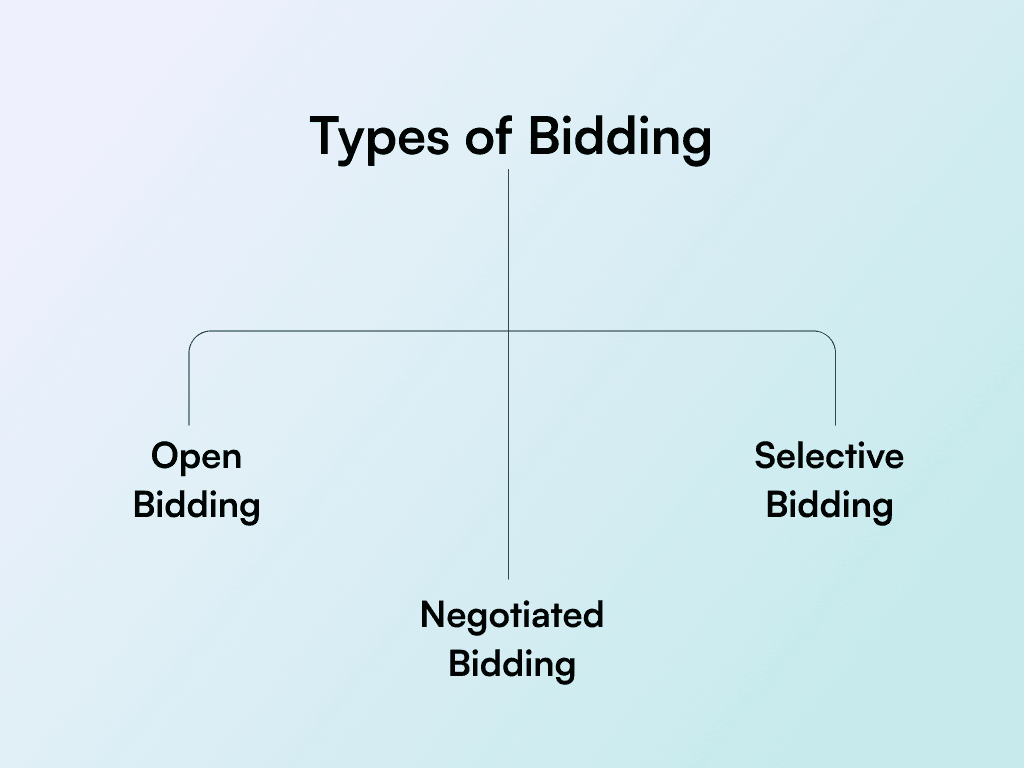
Not all construction bids are run the same way. There are a few different methods of bid solicitation (also called tendering processes) that you should be aware of, because each requires a slightly different strategy :
- Open Bidding (Open Tendering): This is a competitive process where any qualified contractor can submit a bid. Open tenders are common in government and public sector projects for example, a city posts a project publicly and welcomes all bids. The client will then choose from all the submissions, often looking for a low price and a contractor that meets qualifications and financial credibility. Open bidding means lots of competition, so you’ll need to put your best foot forward to stand out.
- Selective Bidding (Selective Tendering): In this method, the project owner invites a limited number of contractors to bid. Typically, these invitees are pre-screened for their expertise, experience, or past relationship with the owner. Because only a few bids are submitted, the odds of winning can be higher but you’re usually up against other top contenders. Quality counts a lot here; owners use this to get more reliable bids and save time by considering only trusted contractors.
- g (Negotiated Tendering): This isn’t a competitive bid at all instead, the owner directly negotiates with a single contractor (or a specific chosen firm) to arrive at a price. This approach is often used for very complex or specialized projects where the owner already knows which contractor has the unique skills needed. It forgoes the open competition in favor of a one-on-one agreement. While this method gives owners fewer options, it can streamline projects that demand specific expertise.
Sometimes these methods can be combined. For instance, a government agency might invite a few known contractors (selective) and advertise publicly (open) at the same time. As a bidder, it’s smart to identify what kind of bidding process you’re entering. If it’s an open bid, be prepared for more competition and make sure your bid is extra sharp. If it’s selective, leverage any existing relationships or track record you have with the client. And if you ever find yourself in a negotiated situation, focus on collaboration and demonstrating your unique value since it’s yours to win or lose.

Finding Construction Job Bids
The first challenge in winning jobs is finding the right opportunities to bid on. You can’t bid (let alone win) if you don’t have a steady stream of projects to go after. Here are some ways contractors successfully find construction job bids:
- Industry Networks and Word of Mouth: In construction, who you know can be just as important as what you know. Building relationships with project owners, developers, architects, and other contractors can help you hear about new jobs early. For example, a general contractor you’ve worked with might invite you to bid on a portion of their next project, or a past client might refer you to a friend. Subcontractors often get leads from the general contractors they know, and vice versa. Tap into your network let people know what kind of projects you’re looking for and ask about upcoming work. Joining professional associations (like local builders’ exchanges or trade organizations) can also expand your connections and lead to bid invitations.
- Online Construction Lead Services: In the digital age, there are many websites and services that aggregate construction project leads and bid opportunities. These platforms list projects that are out for bid, along with key details like location, size, bid dates, and contacts.
Many contractors subscribe to one or more of these services to stay on top of available bids it beats combing through newspapers or hundreds of separate websites. (Tip: if you’re just starting, some of these platforms offer free trials or basic free accounts to access a limited number of leads.)
- Public Plan Rooms and Bid Boards: Local builders exchanges or plan rooms often post bid opportunities, especially for commercial work. These can be physical plan rooms or online portals where plans and specs are available for contractors. For example, Builder’s Exchanges in many cities compile regional commercial project bids in one place. Similarly, government agencies (from city councils to federal departments) usually have procurement websites where they publish construction tenders. Checking your city, county, or state government procurement site can reveal public projects out for bid schools, roadwork, municipal buildings, etc. It takes initiative to regularly check these sources, but many are free to access.
- Trade Publications and Advertisements: Don’t overlook industry publications, local newspapers, or construction journals. Many still carry “Invitation to Bid” notices, especially for public projects. Trade magazines or online forums might highlight notable projects coming up. Set up Google Alerts or use keywords to catch news of projects in your area.
- Leverage Past Performance: One of the best ways to find new opportunities is through repeat clients and referrals. When you do great work on a project, make sure the owner or GC knows you’d love to bid on future jobs. Over time, delivering quality work leads to clients inviting you to bid on projects (sometimes even bypassing a wider competition). This is the ideal scenario you become a go-to contractor for certain owners. So treat every project as an audition for the next one by building a reputation for reliability.
In practice, successful contractors use a mix of these tactics. For example, you might use an online service to find a bunch of potential projects, but then narrow that list down by chatting with industry contacts who know the players involved. The key is to be proactive: good projects won’t just land in your lap. Go out and find them through both people-powered networking and digital tools.
Where to Bid on Construction Jobs
Now that we’ve covered how to find leads in general, let’s talk about where you actually go to place bids or discover detailed opportunities. In the old days, you might have had to visit a plan room in person to pick up blueprints. Today, much of the bidding action happens online. Here are some of the primary places you can bid on or find construction jobs:
- Online Construction Bid Marketplaces: These are dedicated websites that serve as centralized bid boards. They allow project owners to post projects and contractors to browse and bid. For example, Builder’s Exchange networks are known for commercial project listings, often organized by region.
- Government and Municipal Websites: Public sector jobs are typically posted on official government websites or portals. For instance, the U.S. federal government uses SAM.gov for federal contract opportunities. State and city governments have their own bid sites or pages (e.g., a city’s Department of Public Works might list construction tenders on the city website). These are free to access.
- Construction Bidding Mobile Apps: A newer trend is the rise of mobile apps and platforms (like PlanHub’s app or BuildingConnected) where contractors can receive bid invitations and updates on the go. Some general contractors use these to invite subcontractors to bid on their projects.
Preparing Your Bid
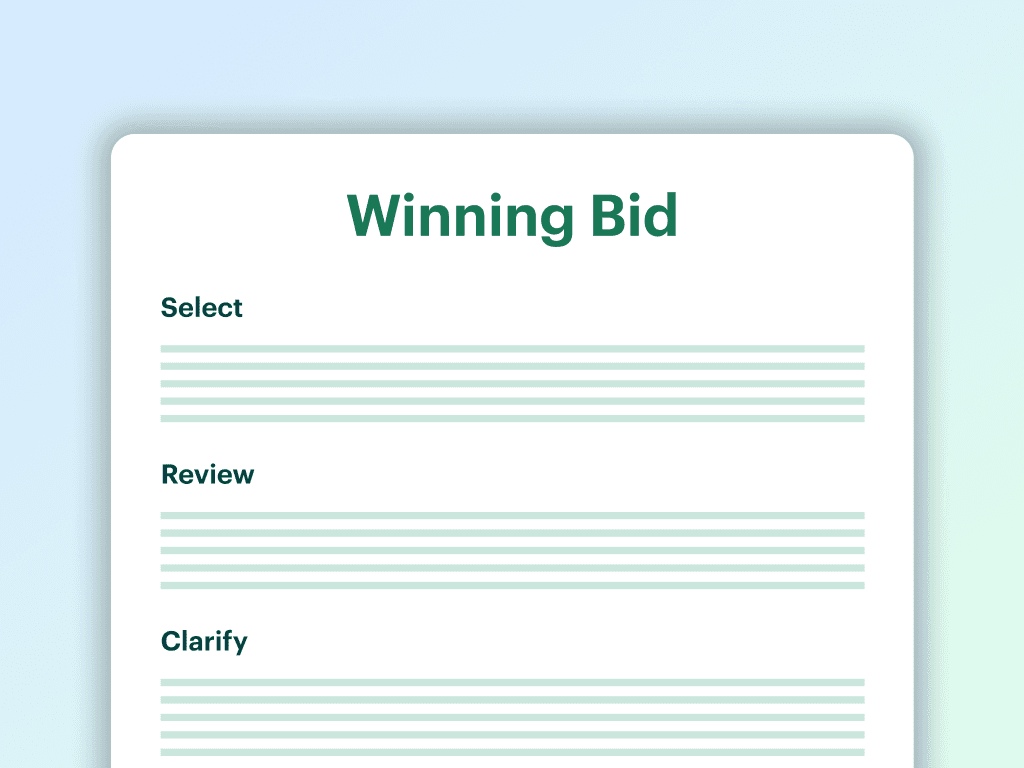
Okay, so you’ve found a project you want to bid on. Now comes the meat of the work: preparing a winning bid proposal. This preparation phase is critical rushing through it can lead to mistakes that cost you the job (or cost you money if you win a badly-prepared bid). Here are key steps and considerations when preparing your bid:
- Bid/No-Bid Decision: First off, pause and think: “Is this project right for us?” Just because an opportunity exists doesn’t mean you should chase it. Evaluate the project’s size, type, location, timeline, and any special requirements.
Does it fit your company’s expertise and capacity? Is the timeline doable with your current workload? Is the job profitable enough? It’s better to carefully craft a few bids you have a real shot at than to submit a dozen half-baked proposals. Smart contractors perform a bid/no-bid review before committing resources to a proposal. If a project looks like a poor fit (or you spot red flags in the contract terms or risk factors), you might decide not to bid and wait for a better opportunity and that’s okay. Save your energy for the projects that play to your strengths.
- Thoroughly Review All Documents: Once you decide to go for it, gather all the project documentation provided plans, specifications, addenda, soil reports, contract terms, etc. Read them carefully.
The importance of this step cannot be overstated: the drawings and spec book spell out exactly what the owner expects, from materials and finishes to quality standards and phasing requirements. Look for any unique provisions that could affect costs (e.g. “owner to supply X”, or stringent warranty terms, or special scheduling like night work). Also examine the contract or General Conditions if provided things like payment terms, penalties, insurance requirements, and dispute resolution rules can all impact your bid or risk. If anything is unclear, seek clarification. Submit Requests for Information (RFIs) during the bid period to get answers on ambiguous plans or specs.
- Craft a Strong Proposal Document: While the numbers (costs) are the centerpiece of a bid, don’t neglect the written proposal and documentation that accompanies it. A winning bid package often includes a cover letter or executive summary, a detailed scope of work description, a preliminary schedule or timeline, and any qualifications or clarifications.
Ensure your proposal clearly states what is included and what is excluded, so there’s no ambiguity about your offer. It’s also smart to highlight your qualifications here attach or reference your relevant licenses, certifications, past project experience, and even testimonials or references from similar jobs.
Essentially, you want to reassure the client that not only is your price good, but you are totally capable of delivering this project. We’ll discuss key bid components in the next section, but as you prepare, gather all the necessary documents (proof of insurance, bonding capacity letter, etc.) so you can include them as required.
- Double-Check and Polish: Finally, before you hit “submit” or turn in that bid envelope, review everything. Go back through the RFP checklist or bid instructions to make sure you’ve provided every piece of information they asked for (missing a required form or forgetting to sign something can get your bid disqualified).
Cross-check your math even one misplaced decimal or a dropped zero can be a disaster in your pricing. Make sure your proposal reads well, with no typos, and that it looks professional (legible formatting, your company letterhead, etc.). If possible, have a colleague read through the entire package as a fresh set of eyes.
Ensuring accuracy and completeness in your bid prep is one of the simplest ways to stand out, because surprisingly many bids do contain errors or omissions. You don’t want to lose on a technicality you could have caught.
Preparing a bid is a lot of work no doubt about it. But this upfront effort is what increases your bid-hit ratio (how many bids you win versus submit). A carefully prepared bid not only improves your chances of winning but also sets the foundation for a smoother project if you do win, since you’ll have a deeper understanding of what you bid. Think of bid prep as laying the groundwork for project success.
FAQs
Sign Up for more like this
By submitting this form, you agree to our Privacy Policy and consent to receiving updates from ContraVault.
Comments0